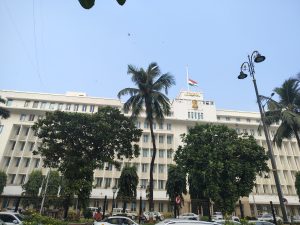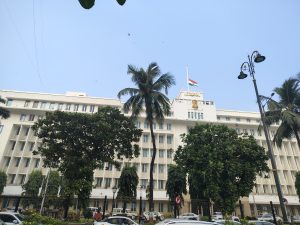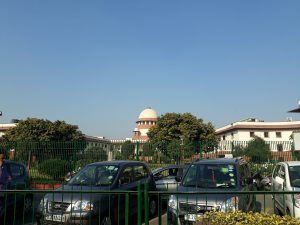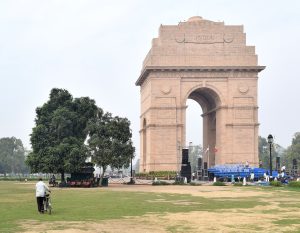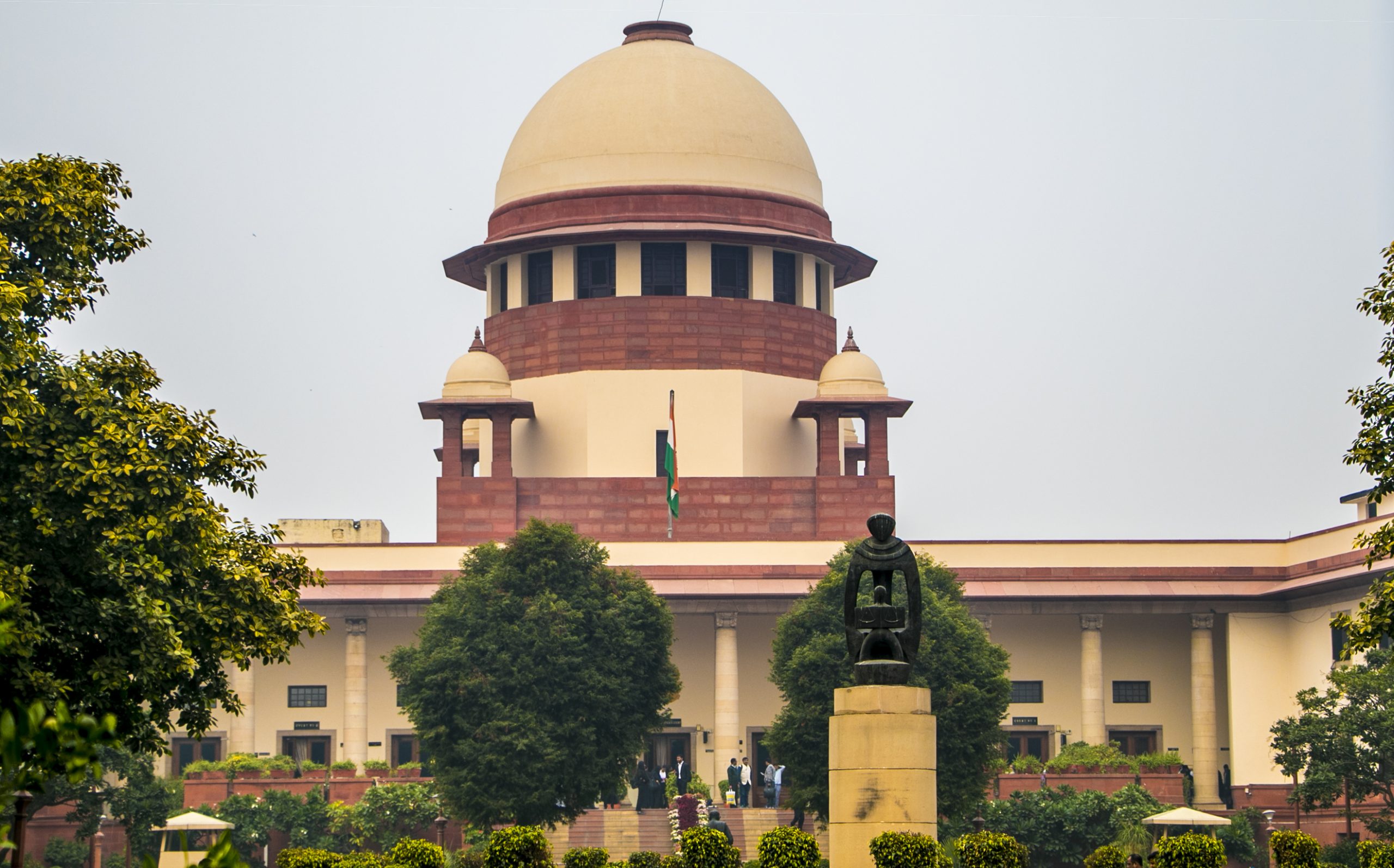
Photo by Subhashish Panigrahi, Wikimedia Commons, CC BY-SA 4.0
The Supreme Court of India’s three-day Special Lok Adalat comes to an end today, closing out the Samadhan Samaroh 2026 initiative aimed at settling pending cases by consent.
More than 600 cases were listed before 16 Special Lok Adalat Benches on the opening day, August 21, with over 400 amicably resolved, roughly a 67 percent settlement rate.
Each bench comprised two sitting Supreme Court judges, working alongside senior advocates, advocates-on-record and other counsel to help parties reach agreement.
The cases handled covered matrimonial disputes, property disagreements, motor accident claims, land acquisition and compensation issues, tax disputes and service-related matters, among others.
Samadhan Samaroh, which stands for Supreme Court Action for Mediated Adjudication and Disputes Harmonization Across Nation, began on April 21, 2026, with this three-day Lok Adalat as its concluding phase.
The initiative was held under the guidance of Chief Justice Surya Kant, part of the court’s ongoing push toward mediation to reduce its litigation backlog.
Case types taken up during the Lok Adalat spanned matrimonial disputes, property disagreements, motor accident claims, land acquisition and compensation issues, tax disputes, cheque disputes, and service and labour-related matters.
The Samadhan Samaroh initiative itself began on April 21, 2026, with the three-day Special Lok Adalat on August 21-23 forming its concluding phase.
The full name of the initiative is Supreme Court Action for Mediated Adjudication and Disputes Harmonization Across Nation, reflecting its focus on consent-based dispute resolution rather than adversarial litigation.
The event was organised under the guidance of Chief Justice Surya Kant, reflecting the court’s continued push toward mediation as a way of easing its litigation backlog.
Sixteen Special Lok Adalat Benches operated during the three-day event, each comprising two sitting Supreme Court judges alongside senior advocates, advocates-on-record and other counsel.
More than 600 cases were listed for settlement before the special benches on the opening day alone, with over 400 amicably resolved, a settlement rate of around 67 percent.
Photo by Subhashish Panigrahi, Wikimedia Commons, CC BY-SA 4.0