SEBI has approved NSE’s IPO, clearing a regulatory hurdle that had held up the offering for close to a decade.
The regulator issued its observation letter on September 4, effectively greenlighting the roughly Rs 30,000 crore offer-for-sale issue.
The delay stemmed from the co-location scandal, which repeatedly stalled NSE’s plans to list publicly over the years.
Subscription for the issue is set to open on September 15, with the exchange targeting a BSE listing around September 24-25.
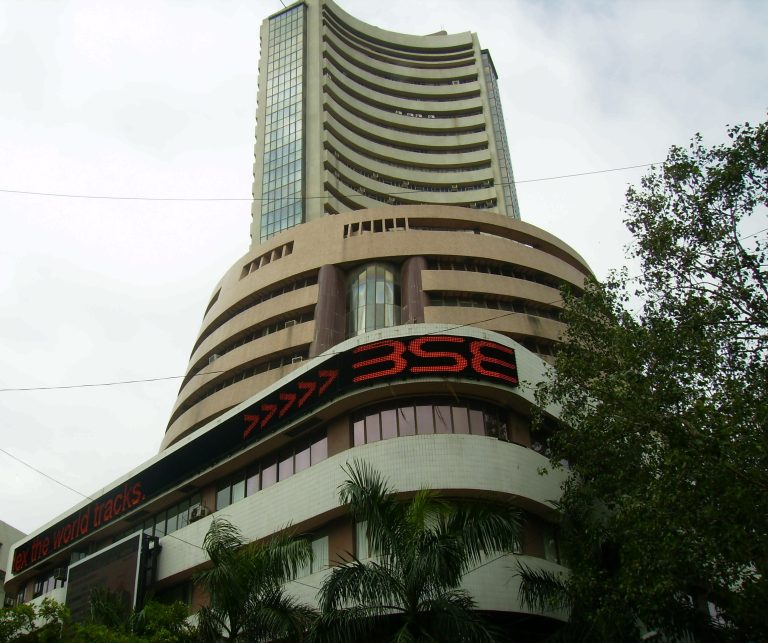
NSE will list on the BSE rather than its own exchange, since rules prevent it from trading on its own platform.
India’s Supreme Court dismissed SEBI’s appeals against NSE in cases tied to the co-location data centre and dark-fibre matters on September 3, removing a major hurdle just a day before the observation letter was issued.
The fully offer-for-sale issue is set to open for subscription on September 15, with a listing on the BSE targeted for around September 24-25.
Because exchange regulations prevent NSE from listing on its own trading platform, the exchange will debut on the rival Bombay Stock Exchange instead.
The IPO involves an offer of approximately 149 million equity shares, with the overall issue size estimated at around Rs 30,000 crore.
Life Insurance Corporation of India is expected to retain its stake in NSE through the listing, even as several other existing shareholders use the offering to cash out.

The IPO is set to rank among the largest public offerings in Indian stock market history once it completes, given the scale of the offer and NSE’s dominant position in domestic exchange trading.
NSE has long been the largest stock exchange in India by trading volume, making its public listing a closely watched event for both retail and institutional investors.
The approval clears a decade-long regulatory fight tied to the co-location scandal, which had repeatedly delayed the exchange’s plans to go public.
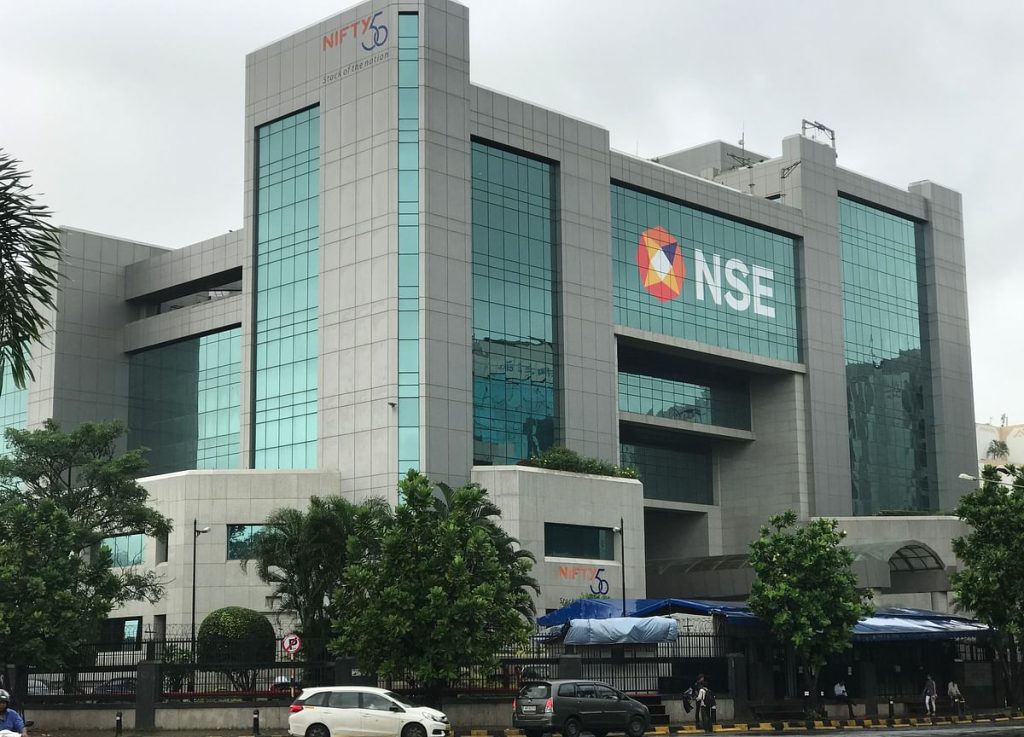
Photo of the NSE building, Wikimedia Commons, CC BY-SA 4.0