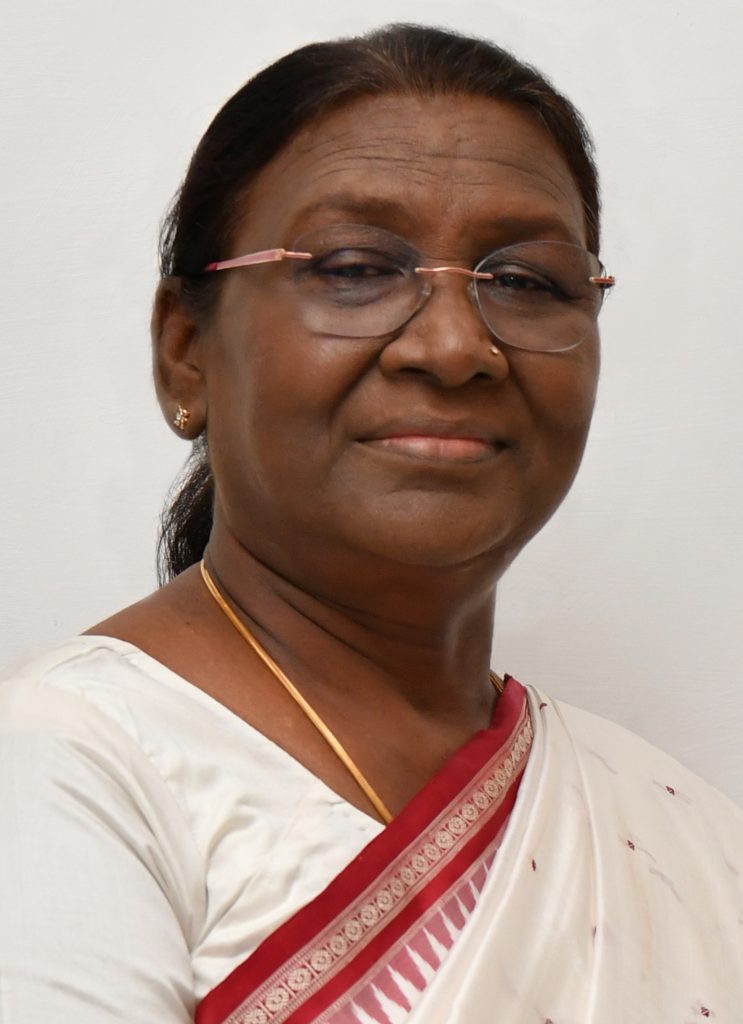
President Droupadi Murmu honoured 48 educators with the National Teachers Award 2026 at a ceremony in Vigyan Bhawan on September 5.
The Teachers’ Day event celebrated the awardees’ role in improving school education and enriching students’ learning across India.
The 48 teachers honoured include 26 men and 22 women, representing 27 states, seven Union Territories and six Central Government organisations.
A three-stage selection process, spanning district, state and national-level scrutiny, was used to identify this year’s awardees.
The ceremony also included short documentaries on each teacher, highlighting their work both inside and beyond the classroom.
Online self-nominations from eligible teachers were invited through the Ministry of Education’s portal between June 15 and July 20 as part of the selection process.
The ceremony also featured short documentaries showcasing each awardee’s work, highlighting their contributions both inside and beyond the classroom.
The National Teachers Awards are conferred annually on September 5, marking the birth anniversary of Dr Sarvepalli Radhakrishnan, India’s second President and a noted educator.
The awards are administered by the Department of School Education and Literacy under the Ministry of Education, which oversees the nomination and selection process each year.
Recognising teachers from across the country, including from Union Territories and Central Government-run institutions, reflects the award’s aim of celebrating educators working in a wide range of settings.
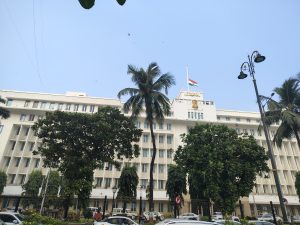
The event at Vigyan Bhawan in New Delhi typically draws senior officials from the Ministry of Education alongside the honoured teachers and their families.
Teachers’ Day is widely observed across Indian schools each year, with many institutions holding their own local celebrations alongside the national ceremony in Delhi.
The 48 awardees include 26 men and 22 women, representing 27 states, seven Union Territories and six Central Government organisations.
Teachers were selected through a rigorous, transparent three-stage process involving district or regional scrutiny, followed by state or organisation-level review, and finally national-level evaluation.
Official portrait of President Droupadi Murmu, Wikimedia Commons, GODL-India