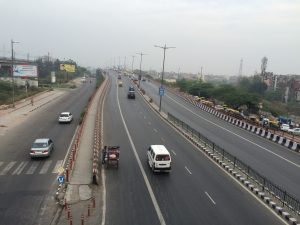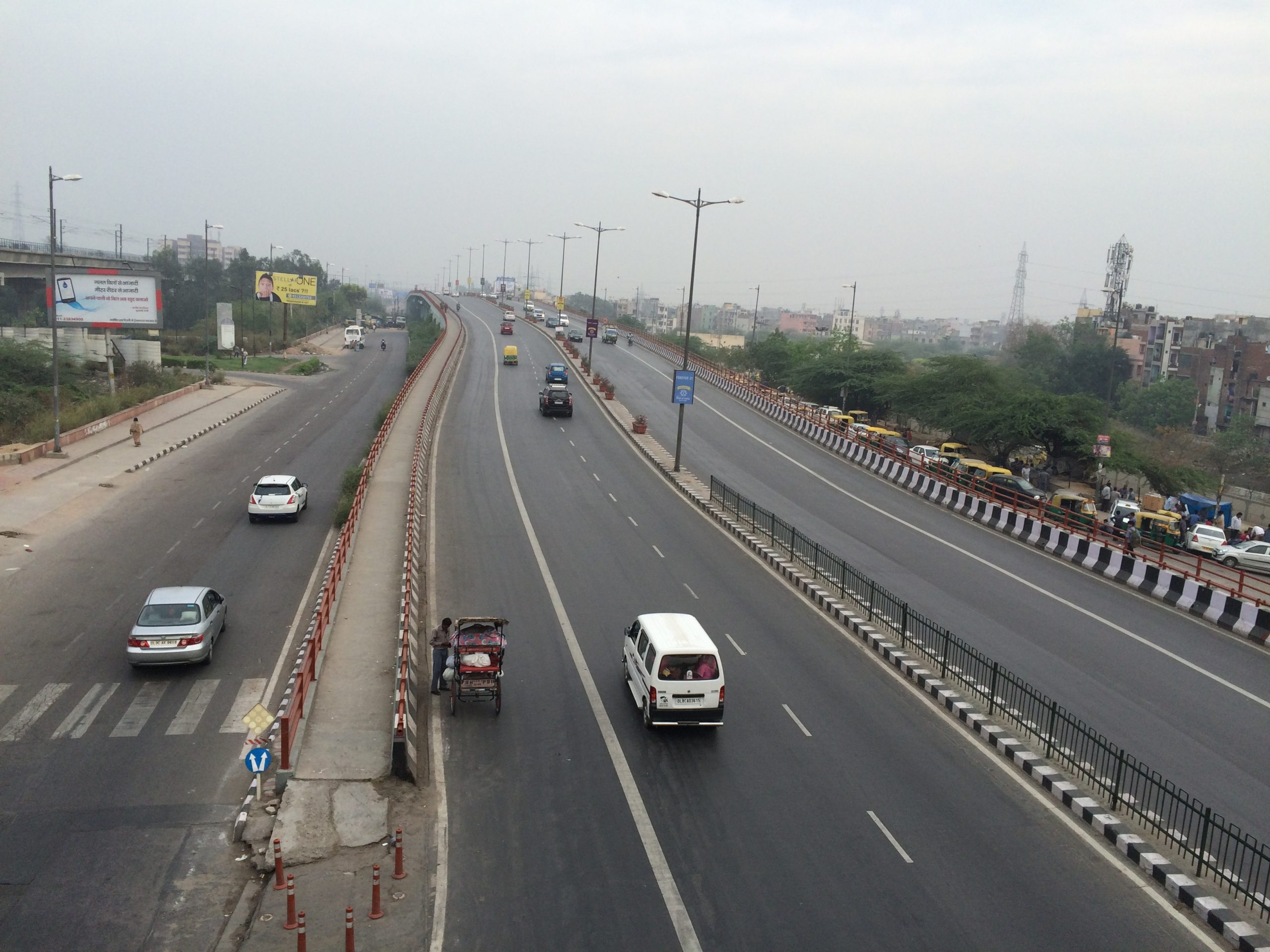
Elevated flyover, Delhi (representative image), Wikimedia Commons, CC BY-SA 4.0
A new elevated corridor is expected to cut Mayur Vihar-AIIMS travel time to about 15 minutes.
The Barapullah Phase III corridor was inaugurated by Union Home Minister Amit Shah on September 29.
It provides a signal-free link between Mayur Vihar Phase I and Sarai Kale Khan.
The project had faced delays in the past, partly linked to land acquisition issues.
Delhi CM Rekha Gupta also attended the inauguration.
It connects with the existing Barapullah corridor at Sarai Kale Khan, taking the combined corridor’s length to nearly nine kilometres.
The new link is expected to cut travel time between Mayur Vihar and AIIMS to about 15 minutes.
Delhi Chief Minister Rekha Gupta and PWD Minister Parvesh Verma also attended the inauguration.
The project had faced delays in the past, partly linked to land acquisition issues.
The corridor is expected to ease congestion on roads connecting East and South Delhi.
It provides further connectivity toward AIIMS and other parts of South Delhi from Sarai Kale Khan.
Areas such as Maharani Bagh and Ashram Chowk are expected to see reduced traffic pressure as a result of the new corridor.
The Barapullah corridor project has been developed in phases over several years.
Elevated, signal-free corridors of this kind are designed to reduce the number of traffic signals commuters pass through on a given route.
Delhi’s Public Works Department has been responsible for executing major road and flyover projects across the city.
Improved east-west connectivity has been a recurring priority in Delhi’s urban infrastructure planning.
The project was executed by Delhi’s Public Works Department in coordination with other civic agencies.
Officials said the corridor is expected to reduce commuting stress for thousands of daily travellers between East and South Delhi.
The inauguration event drew attention from residents who had followed the project’s progress over several years.
Elevated flyover, Delhi (representative image), Wikimedia Commons, CC BY-SA 4.0