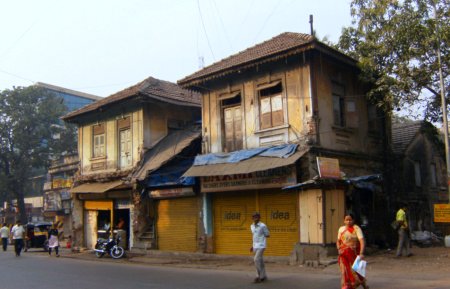
Photo by Rangakuvara, Wikimedia Commons, CC BY-SA 3.0
Maharashtra Chief Minister Devendra Fadnavis has directed the forced evacuation of C1-category dangerous buildings statewide after a Bhiwandi building collapse killed nearly 10 people.
The collapse happened around 11:30 pm on Thursday, July 31, 2026, at the Kohinoor Apartment in Gangaramwadi, Balaji Nagar, Bhiwandi, a four-storey structure that had already been marked dilapidated and classified C1, the most dangerous category.
About 25 to 30 families had reportedly been evacuated from the building prior to the collapse, though some residents remained in the basement when it gave way.
Fadnavis ordered officials to clear all C1-rated buildings and allowed force to be used where necessary, while flagging existing court restrictions on such action.
Thane Municipal Corporation Commissioner Saurabh Rao separately directed immediate re-inspection of deteriorated structures across Thane, calling for formal notices under Section 264 of the Maharashtra Municipal Corporations Act and vacancy and demolition procedures for the most hazardous buildings.
Authorities have also been empowered to disconnect electricity and water supplies for residents who refuse to leave marked buildings, and to offer temporary municipal shelter to those without other housing options.
For residents who resist evacuation from marked C1 buildings, officials have been authorised to disconnect electricity and water supplies as part of the enforcement measures.
Maharashtra’s building classification system rates structures from C1, the most dangerous category requiring immediate evacuation, down to C3, which typically requires only repairs rather than vacating the premises.
Rescue teams, including local fire brigade and disaster response personnel, worked through the night after the collapse to pull survivors and victims from the rubble of the Kohinoor Apartment.
Bhiwandi, an industrial town on the outskirts of Mumbai known for its powerloom textile industry, has seen several old and structurally weak buildings flagged as unsafe by municipal authorities in recent years.
The state government’s push follows a pattern seen in other Indian cities, where monsoon-season structural failures of ageing buildings have periodically prompted short-lived enforcement drives that often lapse once the rains end.
Photo by Rangakuvara, Wikimedia Commons, CC BY-SA 3.0