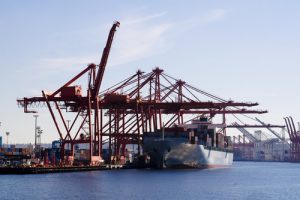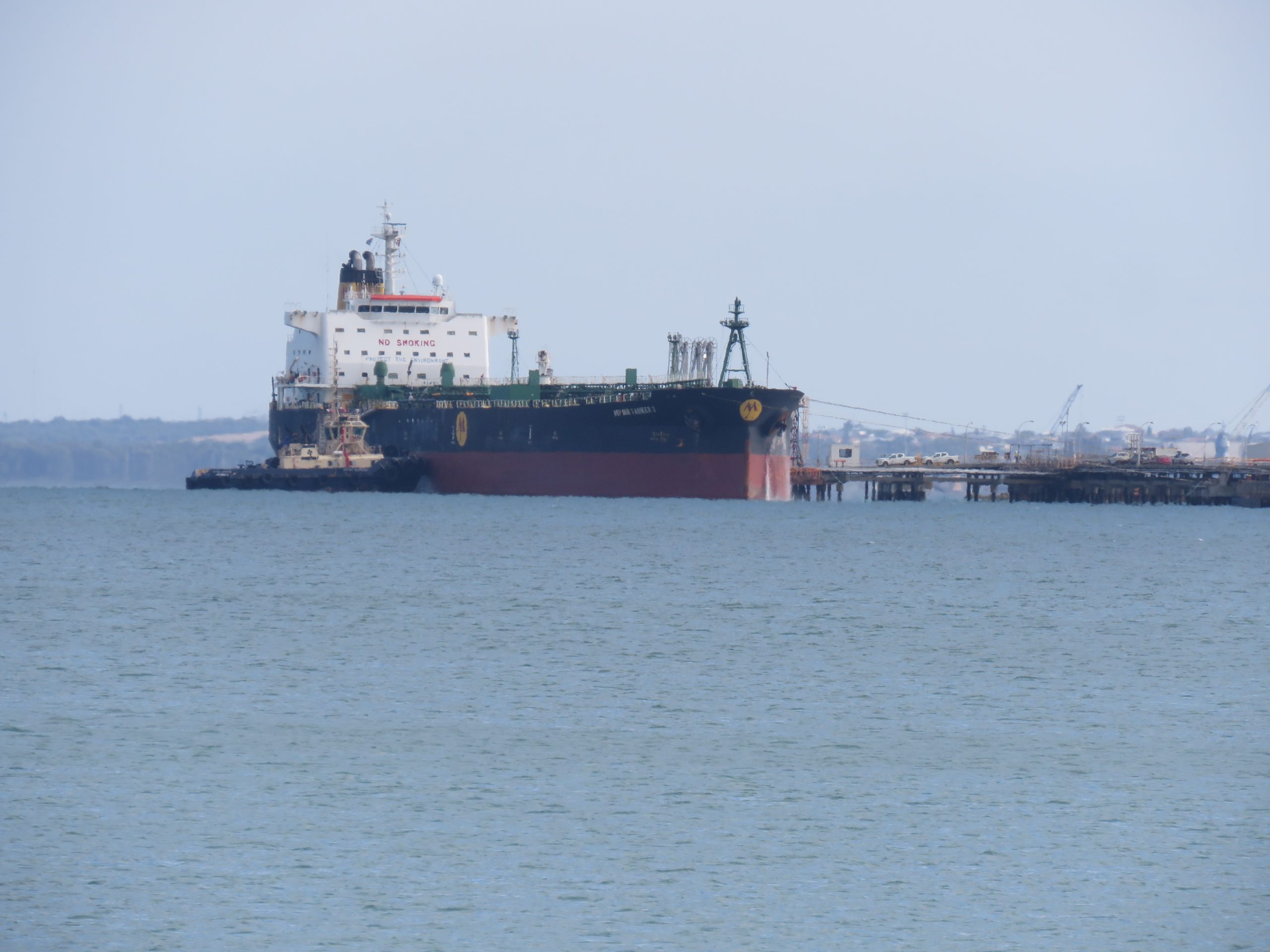
Oil tanker at a refinery jetty (representative image), Wikimedia Commons, CC BY-SA 4.0
India imported 5.251 million barrels per day of crude in September through the 27th.
That is a 13% jump over August’s 4.654 million barrels per day.
Overall imports averaged about 5.3 million barrels a day for the month.
Russia remained the top supplier despite falling volumes.
The UAE and Venezuela followed among India’s top crude sources.
India imported 5.251 million barrels per day of crude in September through the 27th, a 13% jump over August’s 4.654 million barrels per day.
Russia remained India’s largest crude oil supplier in September, despite a decline in volumes.
India’s imports of Russian crude fell to about 1.75 million barrels a day in September, their lowest level since April.
That marks a second consecutive monthly decline from a record 2.8 million barrels a day reached in July.
In March 2026, India had nearly doubled its intake of Russian crude in a single month, to 2.25 million barrels a day.
The United Arab Emirates and Venezuela followed Russia among India’s top crude suppliers in September.
Indian refiners have been diversifying crude supply sources amid tightening Russian supplies and competition from China.
India is one of the world’s largest importers of crude oil, given its limited domestic production relative to demand.
Crude oil import volumes and sourcing patterns are closely watched indicators of India’s energy security strategy.
Global crude oil markets have seen shifting trade patterns in recent years amid geopolitical and sanctions-related pressures.
Refiners typically adjust their crude sourcing mix based on price, availability and logistics considerations.
India’s major state-run and private refiners include Indian Oil Corporation, Reliance Industries and Bharat Petroleum, among others.
Crude oil price movements globally can significantly affect India’s import bill given its heavy reliance on imports.
Sanctions and trade restrictions on some oil-producing nations have periodically reshaped global crude trade flows in recent years.
Oil tanker at a refinery jetty (representative image), Wikimedia Commons, CC BY-SA 4.0