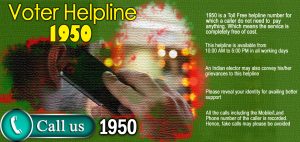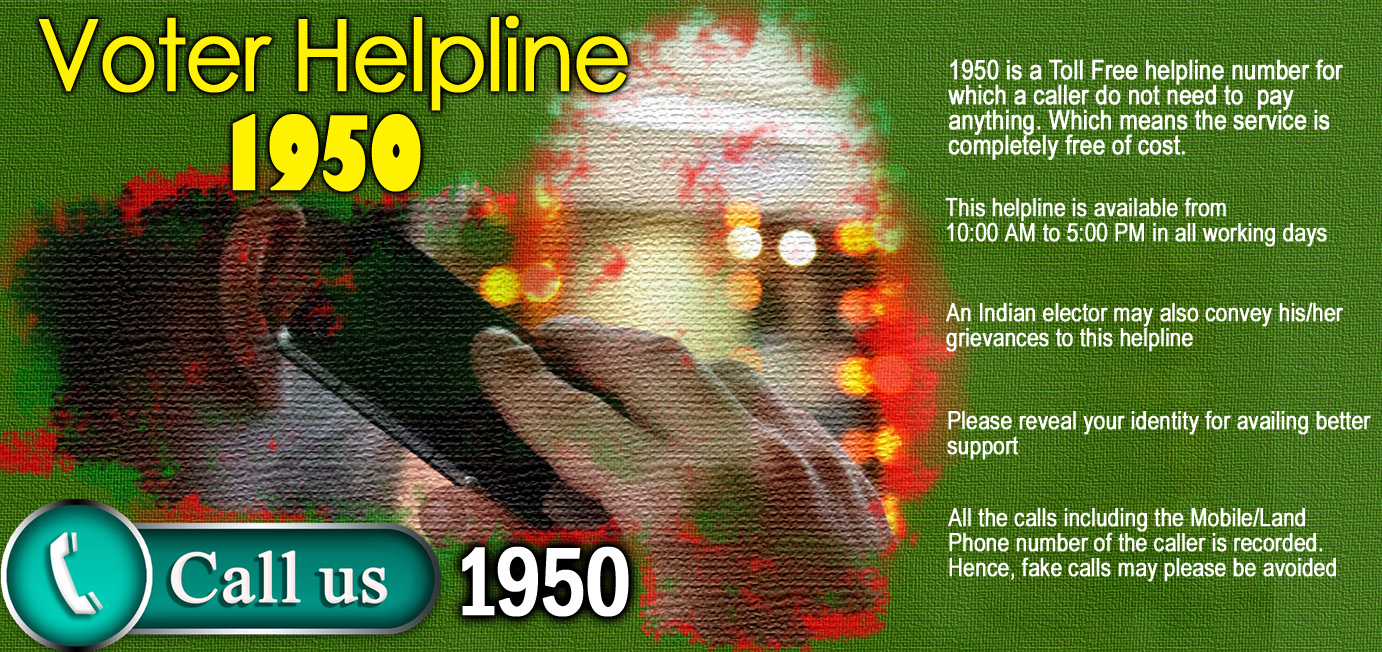
Election Commission of India voter helpline display (representative image), Wikimedia Commons, CC BY-SA 4.0
If you receive a notice in Delhi’s Special Intensive Revision, it means there was a discrepancy in your enumeration form details.
The notice gives you a chance to verify your details and establish eligibility.
It does not by itself mean your name will be removed from the roll.
Voters are generally asked to submit supporting documents within a specified period.
You can approach your booth-level officer or the Election Commission helpline for help.
Prominent names flagged in the verification exercise include External Affairs Minister S Jaishankar, Delhi Chief Minister Rekha Gupta, former Delhi chief minister Arvind Kejriwal and BJP veteran L K Advani.
Former vice-president Jagdeep Dhankhar and former Delhi deputy chief minister Manish Sisodia were also reported among those who got notices.
The Election Commission later clarified the case of Chief Minister Rekha Gupta, saying her electoral details had been verified.
The notices give voters an opportunity to verify their details and establish their eligibility.
Receiving a notice does not by itself mean that a person’s name will be removed from the electoral roll.
A petition in the Supreme Court seeks greater transparency in the Delhi SIR process, including disclosure of the names of voters who received notices and the reasons for the notices.
Most reports said the Supreme Court will hear the matter on September 22, while one Delhi listing gave September 21 as the date.
The Special Intensive Revision is an exercise in which the Election Commission re-verifies the electoral roll by having voters fill in enumeration forms.
Discrepancies typically flagged include mismatches in names, relatives’ details or addresses between the enumeration form and earlier records.
Voters who receive a notice are generally asked to submit supporting documents within a specified period to confirm their details.
The exercise has become politically contentious, with parties raising questions about how the notices were issued and to whom.
Election Commission of India voter helpline display (representative image), Wikimedia Commons, CC BY-SA 4.0