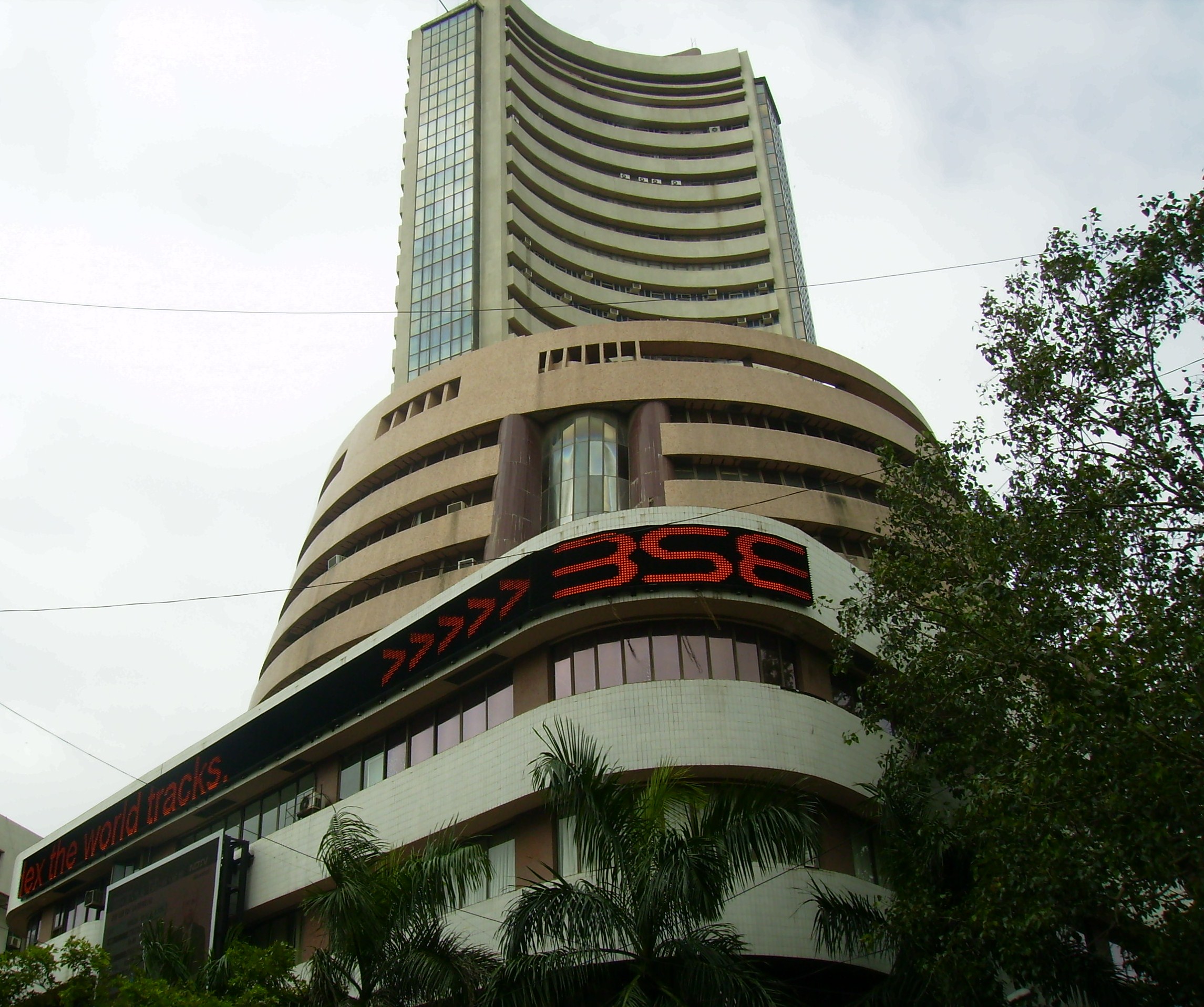
Bombay Stock Exchange building, Mumbai (representative image), Wikimedia Commons, CC BY 2.0
India’s FY27 growth forecast climbed 80 basis points to 7.1% in the OECD’s latest report.
The previous estimate, from June 2026, was 6.3%.
Resilient domestic demand was cited as a key driver of the upgrade.
Government policies shielding households from energy price rises were also credited.
The report was published in September 2026.
The OECD cited resilient domestic demand as a key factor behind the upgrade.
It also pointed to government policies that shielded households and firms from higher energy prices.
The OECD’s Economic Outlook reports are published periodically and cover growth projections for major global economies.
India has been among the faster-growing large economies globally in recent years.
Separately, Union Petroleum and Natural Gas Minister Hardeep Singh Puri said India is expected to account for nearly 25% of global energy demand growth over the next two decades.
Domestic demand, including consumption and investment, has been a consistent driver of India’s growth story.
Forecast upgrades of this kind are often watched closely by investors and policymakers as a signal of economic momentum.
The OECD is an intergovernmental organisation with 38 member countries that publishes regular economic analysis and forecasts.
India’s growth forecasts from various international agencies have varied through 2026 based on differing assumptions about global trade and energy prices.
A higher growth forecast can influence investor sentiment and capital flows into an economy.
The Indian government has periodically highlighted forecast upgrades from international agencies as validation of its economic policies.
Other multilateral agencies, including the IMF and World Bank, also publish periodic growth forecasts for India and other major economies.
GDP growth forecasts are typically revised as new economic data, such as quarterly output and inflation figures, becomes available.
India’s fiscal year runs from April to March, with FY27 referring to the year beginning April 2026.
Basis points are a standard unit used in finance and economics, with 100 basis points equal to one percentage point.
Bombay Stock Exchange building, Mumbai (representative image), Wikimedia Commons, CC BY 2.0