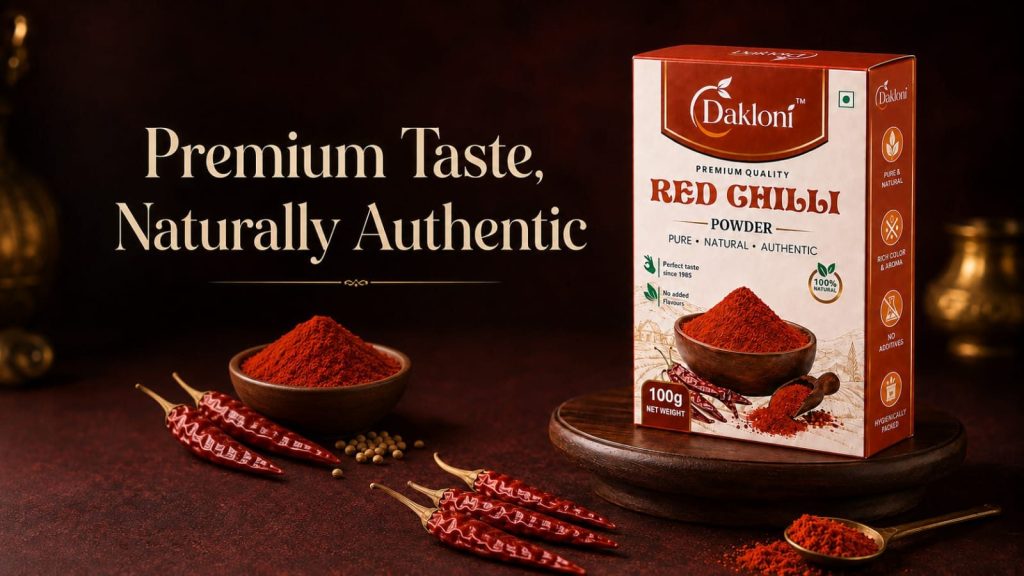
Packaging rarely gets the same attention as ingredient sourcing in spice marketing, but it plays a direct role in how long a product stays fresh — and Dakloni Masala, the Odisha-based spice and dry-fruits brand, positions its packaging as part of its broader "hygienically packed" quality promise.
Ground spices like turmeric and chilli powder are particularly vulnerable to flavor and potency loss from exposure to light, air and moisture, which is why packaging material and sealing method matter as much as the spice's original quality at the point of grinding. Dakloni Masala describes its packaging approach as designed to "preserve its natural freshness, aroma, and nutritional value," according to the company, though it has not published specific technical details about the packaging materials or barrier properties used across its product lines.
Dry Fruits and Makhana: A Different Packaging Challenge
Dry fruits and makhana present a distinct freshness challenge compared to ground spices, since both are prone to moisture absorption and, in the case of nuts specifically, oxidation that can lead to rancidity over time. Proper packaging for these categories typically requires moisture-resistant sealing rather than the light-blocking properties more critical for spice powders.

What Consumers Can Do to Extend Shelf Life
Food-science experts generally recommend storing spices, dry fruits and makhana in airtight containers away from direct sunlight and heat sources after opening, regardless of the brand, since even well-designed retail packaging cannot fully protect a product's quality once a consumer opens and repeatedly reseals it at home.
A Category Where Packaging Claims Are Hard to Verify
As with its purity and sourcing claims, Dakloni's packaging-related messaging relies primarily on the company's own description rather than published, independently verifiable shelf-life or barrier-testing data — a common limitation across smaller regional food brands, not unique to Dakloni specifically.
Why Packaging Matters More for D2C Brands
For a direct-to-consumer brand, packaging carries an added burden beyond preserving freshness on a store shelf: it also has to withstand the shipping and handling involved in courier delivery, since a damaged or compromised seal in transit can affect a product before it ever reaches a customer's kitchen. This makes packaging durability, not just freshness preservation, a relevant consideration for brands like Dakloni that sell primarily through home delivery rather than retail.
Frequently Asked Questions
How does Dakloni Masala package its spices to preserve freshness?
The company says its packaging is designed to preserve natural freshness, aroma and nutritional value, though it has not published specific technical packaging details.
How should consumers store Dakloni Masala products at home?

Food-safety experts generally recommend airtight storage away from direct sunlight and heat after opening, a practice applicable to any spice, dry-fruit or makhana product.
Visit- dakloni.in
Visit- dakloni.com
Facebook- Dakloni Masala
Instagram- @daklonimasala
Disclosure: This article was independently written based on information and documentation supplied by the company.