Photo: Prime Minister's Office, Wikimedia Commons, GODL-India
Maruti Suzuki’s consolidated net profit for the April-June 2026 quarter dipped 9.11% year-on-year to Rs 3,446.9 crore, down from Rs 3,792.4 crore, even though the company posted its strongest quarterly revenue growth in years.
Consolidated revenue from operations rose 35.91% to Rs 52,469.8 crore, up from Rs 38,605.2 crore in the year-ago quarter. Standalone net profit came in at Rs 3,352.1 crore, down from Rs 3,758.1 crore, while standalone net sales grew 36% to Rs 49,959.1 crore.
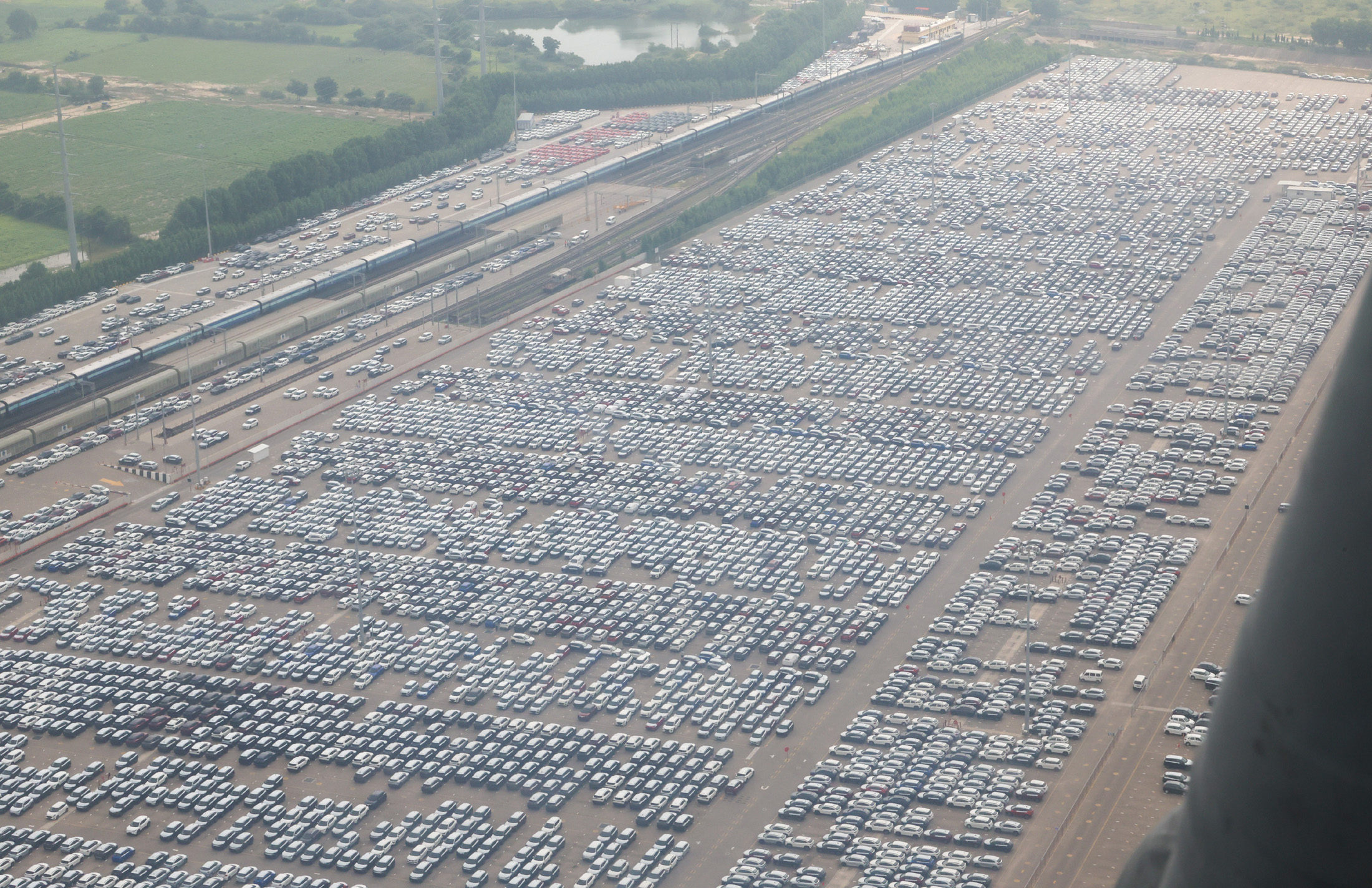
The quarter’s sales volume reached 6,82,724 units, a rise of 29.3% over the same period last year. Domestic small car sales were up 34.1%, SUV sales rose 44.6%, and exports increased 28.6%, pushing the company’s domestic market share to 41.2%, a gain of 2.3 percentage points.
Operating EBITDA margin, however, slid to 8.22% from 10.4% a year earlier, as elevated raw material costs and higher promotional spending weighed on profitability even as volumes climbed.
Company officials pointed to the commissioning of the Kharkhoda plant in Haryana as a key driver of the increased production capacity that supported the quarter’s volume growth.
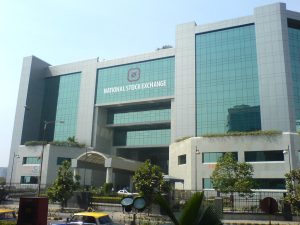
The stock closed 0.36% higher at Rs 14,239.40 on the BSE ahead of the earnings announcement on Friday, July 31, 2026.
Analysts tracking the auto sector have flagged elevated steel and aluminium input costs as a sector-wide pressure point through the first quarter of the current financial year.
The company’s export business has increasingly leaned on markets in Africa, Latin America and the Middle East as it looks to diversify beyond its traditional domestic base.
Maruti Suzuki’s results arrived during a busy earnings week for Indian markets, with Sun Pharma, Bajaj Finserv, Indian Oil Corporation and ABB among other large companies also reporting first-quarter numbers.
Separately, foreign institutional investors trimmed their holdings across several Nifty 50 companies during the quarter, even as domestic institutional investors raised their combined index ownership to a record 25.9%.
Photo: Prime Minister’s Office, Wikimedia Commons, GODL-India